Workshop FAQ: Your Car Care Questions Answered
As a community resource, we’ve collected the questions that real vehicle owners ask when considering professional car care services. Here are honest answers that will help you make informed decisions about protecting and maintaining your vehicle.
Common Questions About Professional Detailing & Protection
Whether you’re considering your first ceramic coating or wondering if paint protection film is worth the investment, these are the questions that help vehicle owners understand their options.
What’s the difference between ceramic coating and wax?
While both ceramic coating and traditional wax protect your paint, they work differently. Wax is a temporary protection that typically lasts a few months and requires regular reapplication. Ceramic coating forms a semi-permanent protective layer that bonds with the paint itself, lasting significantly longer—often 2-5 years depending on conditions and care. Ceramic coatings also provide superior hydrophobic properties (water beading), easier maintenance, and better resistance to environmental contaminants. The investment is higher upfront, but the durability and reduced maintenance often make it more economical over time.

Is paint protection film worth it?
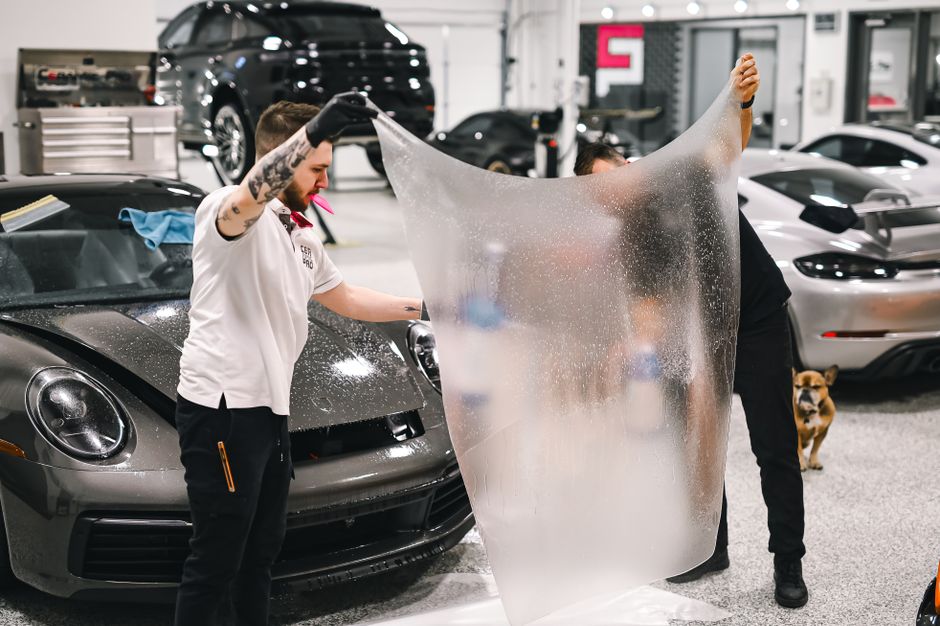
Paint protection film (PPF) is absolutely worth considering if you want to preserve your vehicle’s paint in pristine condition. It physically shields your paint from rock chips, road debris, bird droppings, and other hazards that can damage the finish. Unlike ceramic coating, which protects against contaminants but not impact damage, PPF actually absorbs the damage. Professional-grade PPF (like XPEL or 3M) is nearly invisible when properly installed, self-healing when exposed to heat, and can last the lifetime of your vehicle. The cost varies based on coverage area, but many owners find it invaluable protection for newer vehicles or those with premium paint finishes.
What is paint correction, and when do I need it?
Paint correction is a professional process that removes or minimizes surface imperfections such as swirl marks, minor scratches, oxidation, and water spots. These defects accumulate from improper washing techniques, automatic car washes, and environmental exposure. Paint correction uses progressive abrasive polishing to restore the paint surface to its original finish. You might need paint correction if your vehicle’s paint looks dull despite regular washing, has visible scratches or swirls, or if you’re preparing it for ceramic coating or PPF (these protective treatments work best on perfect paint). Before applying any protective treatment, professional detailers typically recommend assessing whether paint correction will improve the final result.
How should I maintain my vehicle after professional detailing?
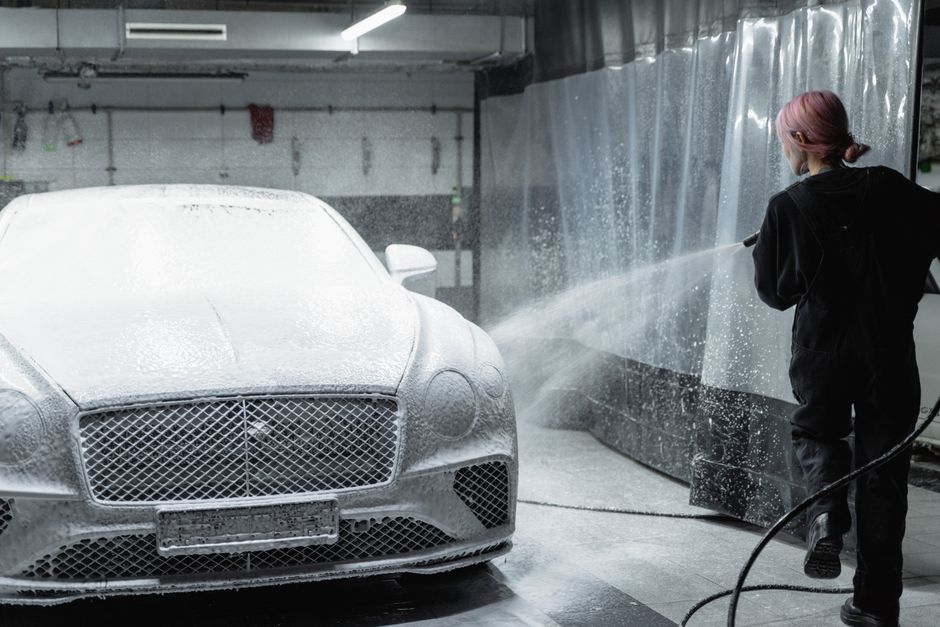
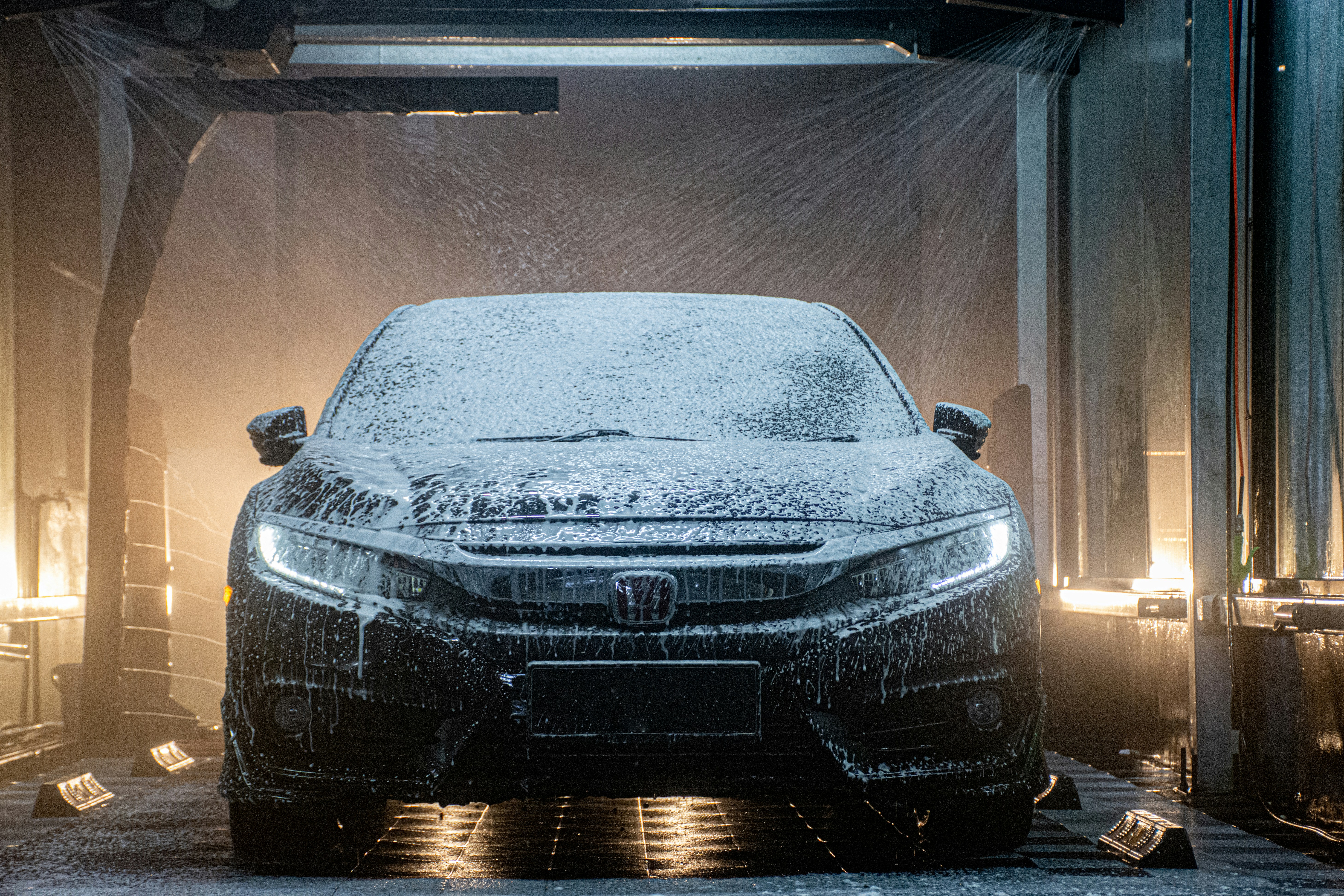
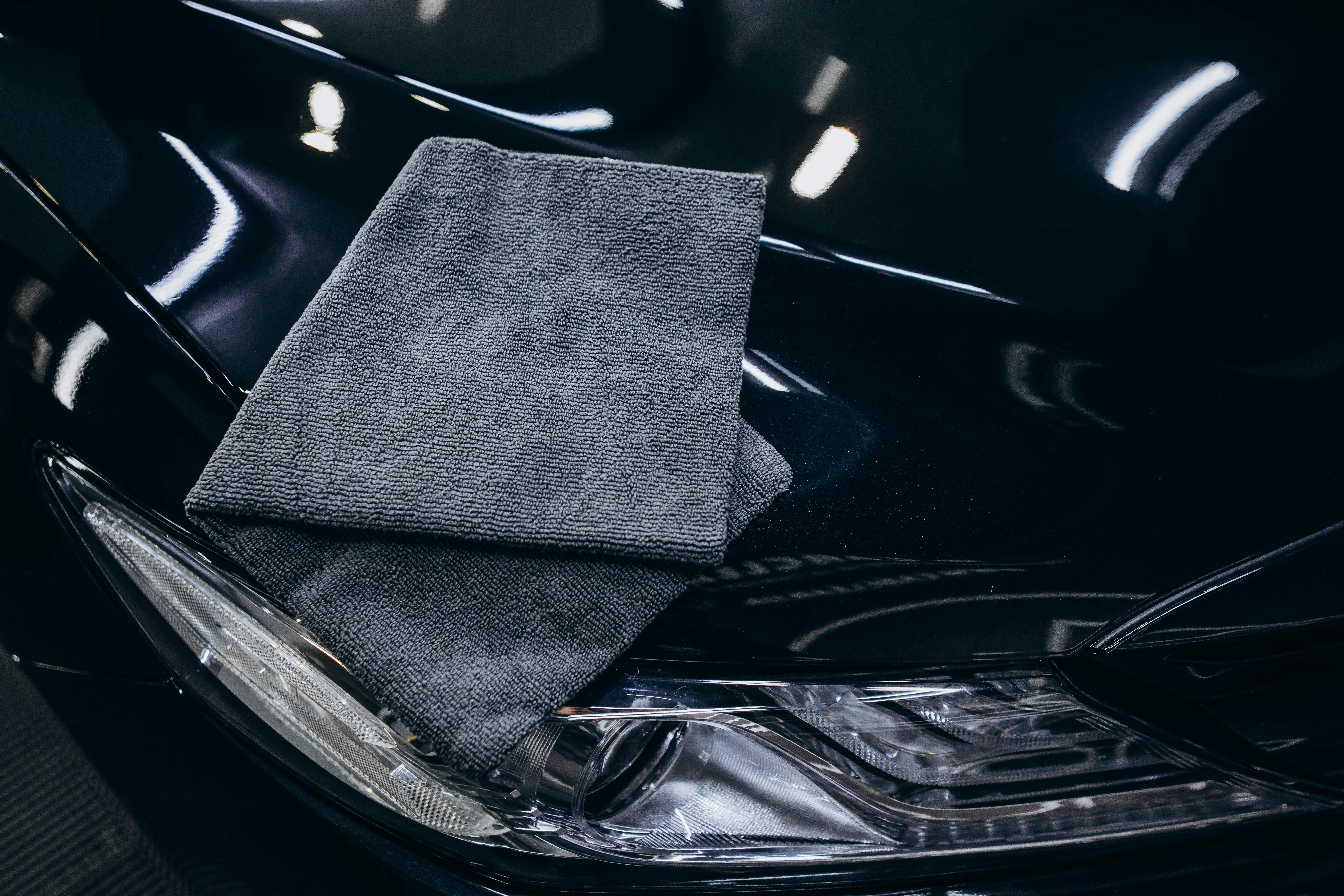
Proper maintenance extends the life of ceramic coatings and other protective treatments significantly. After professional detailing, avoid washing your vehicle for at least 7-14 days (consult your detailer for specific requirements). When you do wash, use the two-bucket method with a microfiber wash mitt—this prevents swirl marks from improper washing. Avoid automatic car washes and harsh detergents that can strip protective coatings. Regular maintenance detailing (every 6-12 months depending on use) helps preserve the coating and keeps your paint in optimal condition. Even with ceramic coating, the paint still needs protection from environmental contaminants, so periodic professional washes or maintenance treatments are recommended.
What should I look for when choosing a detailing professional?
Choosing the right detailing professional is crucial because improper technique can damage your paint. Look for detailers with verifiable experience—ask how long they’ve been in business and whether they can show examples of work. Quality detailers use professional-grade tools and products, maintain controlled work environments, and are transparent about their process. They should explain what they’re doing and why, and be willing to answer questions about products and techniques. Check references if possible, and look for professional certifications or training from recognized detailing organizations. Finally, don’t choose based solely on price—the cheapest option often reflects lower quality materials and rushed workmanship. A reputable detailer understands that exceptional results require skill, time, and quality products.
Have More Questions?
Professional detailing specialists are always happy to discuss your specific vehicle’s needs and recommend the best approach for your situation. When you’re ready to explore protective services or detailing work, reach out to experienced professionals who can evaluate your vehicle and answer additional questions about the services that would provide the best value for you.
Community Partners Network is a local business directory designed to help our community members discover quality local services. The information in this FAQ is based on industry best practices and genuine recommendations from our research into local service providers. Always consult with your specific service provider about recommendations for your individual vehicle.